
Endodontic Retreatment – New York City, NY
A Second Chance to Save Your Tooth
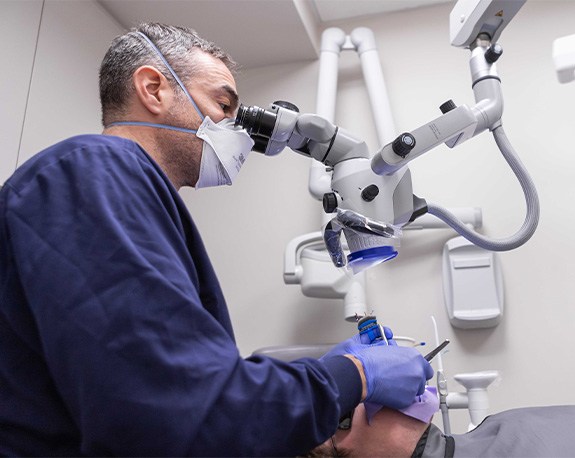
Root canal treatment is an extremely reliable procedure, and it’s usually a permanent solution for dental pain caused by tooth infections. In some cases, though, infection or inflammation might still be present even after the root canal procedure, or you might experience pain in the tooth months or years down the line. In these situations, it may still be possible to save your tooth from being extracted. If you call JC Endodontics Root Canal Specialists, we can discuss whether endodontic retreatment in New York City can be used to protect your smile.
Why Choose JC Endodontics Root Canal Specialists for Endodontic Retreatment?
- Team of Experienced Endodontic Experts
- Virtually Pain-Free Dental Treatments
- Same-Day Appointments for Dental Emergencies
What Is Endodontic Retreatment?
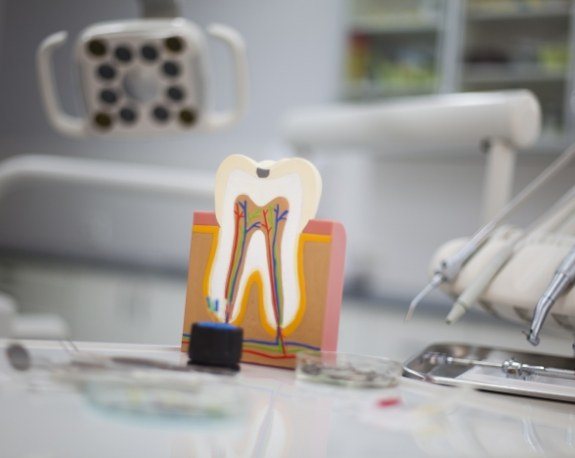
Simply put, endodontic retreatment is a procedure performed on a tooth that has already undergone root canal therapy. It involves re-opening the tooth so that we can check for the underlying source of the issue. Normally, this means looking for additional root canals that may have been missed during the initial treatment or any other unusual aspects of the tooth’s anatomy. With endodontic retreatment, we can make it more likely that you’ll be able to keep your tooth for years to come.
Why Would I Need Endodontic Retreatment?
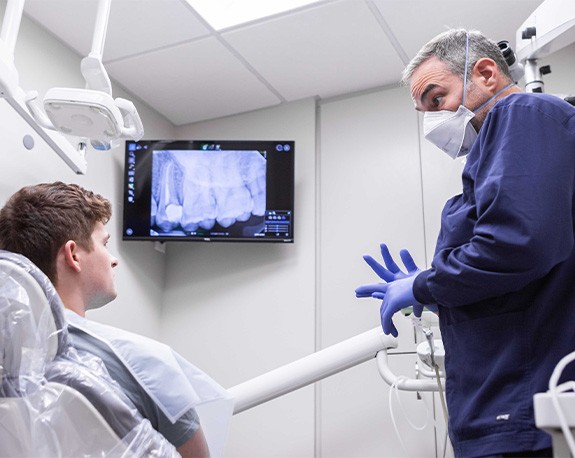
One of the biggest signs that you need endodontic retreatment is if you start experiencing pain in a tooth that previously received root canal treatment. Additionally, the procedure may be necessary if there are any telltale signs of a new infection, such as an abscess forming near the tooth in question. It’s best to call our dental office immediately if you suspect endodontic retreatment is necessary; the longer you wait, the more likely it is that the entire tooth will be compromised.
The Endodontic Retreatment Process
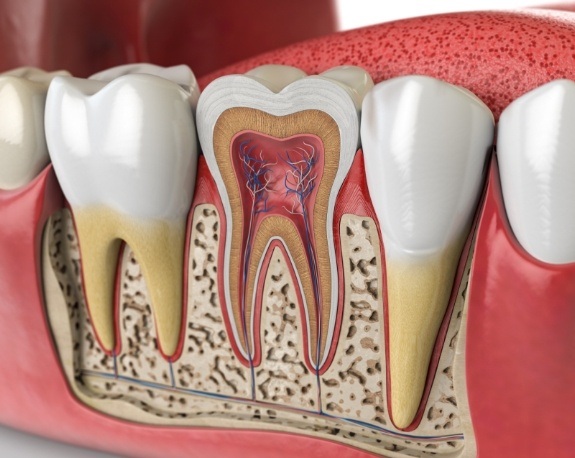
Just like with root canal therapy, we will numb your mouth to keep you comfortable during your endodontic retreatment. Your dental crown will be removed, and the biocompatible filling material will be taken out of the tooth. After a careful examination, we will remove any infection we find and give the inside of your tooth a thorough cleaning. Afterward, the tooth will be refilled. We may schedule a follow-up appointment to make sure your mouth is recovering properly.
Understanding the Cost of Root Canal Retreatment

Understanding the cost of retreating your root canal tooth can be tricky, but don’t worry. Our team is here to help and provide clarity. We’ll also file any dental insurance claims on your behalf, so all you’ll have to worry about after your procedure is making a smooth recovery. You can learn more about the cost of root canal retreatment by clicking the button below and are always welcome to contact us directly with any questions or concerns you may have.
Factors That Can Affect Root Canal Retreatment Costs

Many different factors can affect the cost of root canal retreatment, which means we won’t be able to give you an accurate price estimate until after we’ve had a good look at your tooth. Here’s a brief overview of what may impact your expenses:
- Tooth type. Molars have more complex anatomy and tend to cost slightly more than teeth located closer to the front of the mouth.
- Infection severity. If you need retreatment due to an extensive infection, you may need multiple appointments, which can add to your overall costs.
- Crown replacement. Assuming your previous crown doesn’t fit, you’ll need a replacement that can better protect your tooth.
Is It Better and Less Expensive to Pull My Tooth?
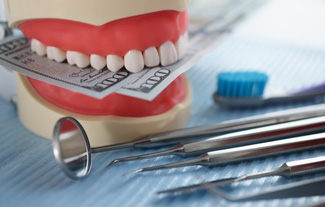
Even if you need to retreat a tooth that previously received a root canal, we still wouldn’t recommend extracting the tooth (unless absolutely necessary). Yes, root canal retreatment has higher upfront costs than tooth extraction, but it’s always best to preserve as much of your natural dental structure as possible.
If you did get a tooth extraction, you would need to replace the tooth with a restoration like a bridge or dental implant. These have their own costs associated with treatment and can add up depending on which one you choose. Not filling the empty socket could result in dental drift (when neighboring teeth “drift” out of place) or jawbone loss.
Replacement teeth have come a long way and can look and feel quite natural, but organic teeth are still stronger, more effective, and better for your overall oral health.
Does Dental Insurance Cover Root Canal Retreatment?

Fortunately, dental insurance does often provide coverage for root canal retreatment. The exact amount of coverage will depend on how your policy defines major vs. minor restorative treatments, as well as the terms surrounding root canals in general. We can help you navigate your benefits and determine how much money you can expect to save through your dental insurance policy.
Root Canal Retreatment FAQs
Why do root canals fail?
Even though root canal treatments are designed to preserve your tooth for a lifetime, there are several factors that could cause it to become reinfected or to develop other complications, including:
- Incomplete cleaning of the root canals during the initial treatment.
- New infection, decay, or damage.
- Waiting too long to place the crown or filling can allow bacteria back into the root canals.
- Fractured tooth roots can allow bacteria to bypass the treated area, causing reinfection.
What are the warning signs that I may need a root canal retreatment?
A failed root canal may not always cause immediate symptoms, however there are some warning signs to look out for, including:
- Persistent or recurring pain in the previously treated tooth.
- Gum swelling or tenderness surrounding the treated tooth.
- A dental abscess on the gums.
- Sudden sensitivity to hot or cold.
- Discoloration of the previously treated tooth.
Should you notice any of these signs, please contact your dentist as soon as possible.
What will happen during a root canal retreatment?
A root canal retreatment is very similar to an initial root canal, but it involves a few extra steps to remove any remaining infection from the tooth.
First, your dentist will reopen the tooth by removing the existing crown or filling. Then, the old filling materials will be cleared out so the root canals can be thoroughly re-cleaned. Next, the tooth will be disinfected, filled with new sealing materials, and a new crown or filling will be placed to restore and protect it.
Is a tooth extraction better than a root canal retreatment?
Although it might seem like a waste of time and money to get a root canal retreatment, the truth is that it may actually be easier and more affordable to have the tooth retreated. That’s because if given the option, it’s always best to preserve your natural teeth. Not only will real teeth continue to stimulate the jaw and protect your other teeth, but having the infected tooth removed will require additional costs such as replacement, which can be very expensive.