
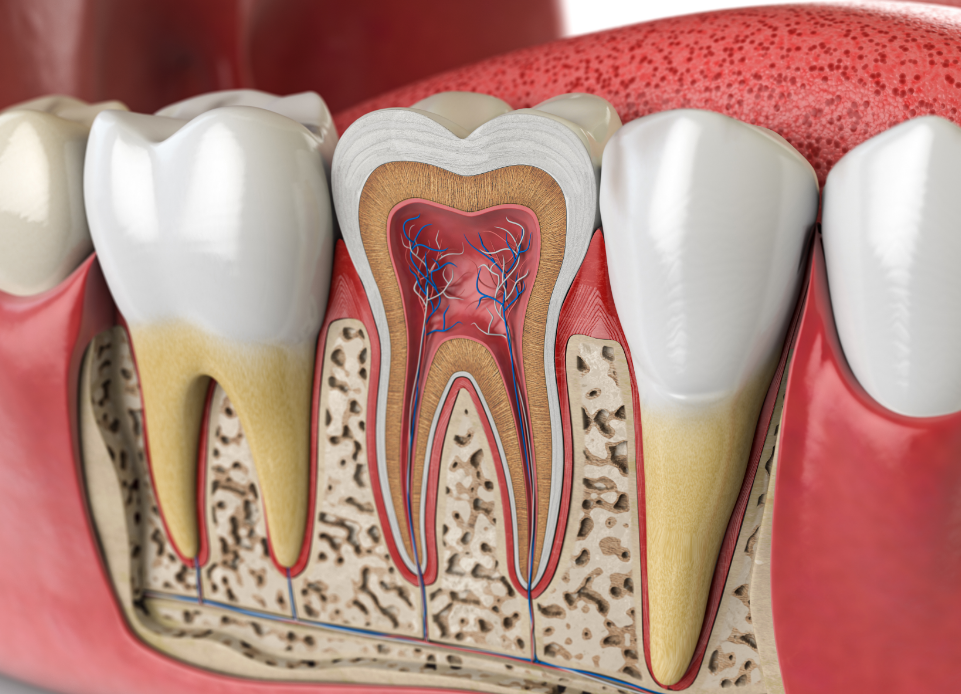
Root canals have a high success rate, but they aren’t always permanent. Sometimes, even years after treatment, a tooth may begin to hurt again or develop new signs of infection. In these cases, your dentist or endodontist may recommend endodontic retreatment, which simply means reopening the tooth, removing the old filling material, and giving the tooth a second chance to heal properly. Understanding why this happens can ease anxiety and help you make an informed decision about your care.
Why a Root Canal May Fail the First Time
Even with modern techniques, a root canal can fail for several reasons. One of the most common is complex tooth anatomy. Some teeth have unexpected extra canals, tight curves, or tiny branches that are difficult to detect during the initial treatment. If bacteria remain in one of these hidden spaces, the infection can flare up later.
Another possibility is that the tooth did not heal as expected. Sometimes, inflammation persists or infection lingers in the surrounding bone even after the root canal was completed. If the original restoration—such as a crown or filling—was delayed, incomplete, or didn’t fully seal the tooth, bacteria could reenter and compromise the treatment.
New Problems That Can Develop Over Time
Teeth are strong, but they can still develop new issues months or years after a root canal. One common cause is a cracked or fractured tooth. Even a small, unnoticed crack can allow bacteria to travel deep into the tooth and infect the previously treated area.
Wear and tear can also impact the integrity of the restoration. Over time, a crown may chip, loosen, or lose its seal. When this happens, saliva and bacteria can seep in and reinfect the canal system.
Tooth decay is another factor. If new cavities form around an older restoration, they can expose the inside of the tooth to bacteria again. Although the root canal filling remains in place, the outer tooth structure may no longer protect it effectively.
What Happens During Endodontic Retreatment?
Retreatment is typically straightforward, though it does require expertise. The endodontist starts by removing the existing crown or filling, followed by the material placed during the first root canal. Then, using advanced imaging and magnification, they carefully clean and reshape the canal system to remove lingering bacteria or debris.
Once the tooth is thoroughly disinfected, it’s refilled and resealed. In many cases, a new crown is placed to protect the tooth and restore full strength. When the reinfection is addressed properly, retreatment can extend the life of the tooth for many more years.
How You Can Help Prevent Future Issues
While not every root canal failure is preventable, you can lower your risk by taking good care of your teeth after treatment. Consistent brushing and flossing, avoiding chewing hard objects, and maintaining regular dental visits all help ensure your restoration stays secure. If you notice new sensitivity, swelling, or pain around a previously treated tooth, contact your dentist promptly. Early attention can preserve the tooth and avoid more extensive procedures later.
A root canal that needs to be redone can feel frustrating, but retreatment is often the best way to protect your natural tooth for the long term.
About the Practice
JC Endodontics provides comprehensive endodontic care, including advanced root canal retreatment for patients whose teeth need a second chance at healing. Our experienced doctors use modern technology, detailed imaging, and patient-centered techniques to ensure comfortable, precise treatment. To learn more about endodontic retreatment options, come see us.
Call us at (212) 737-6112 or request an appointment online.